Radical Conviviality. The Phantom House
Radical Conviviality. The Phantom House
01
Radical Conviviality. The Phantom House
RESEARCH
2026,
Milano
Milano
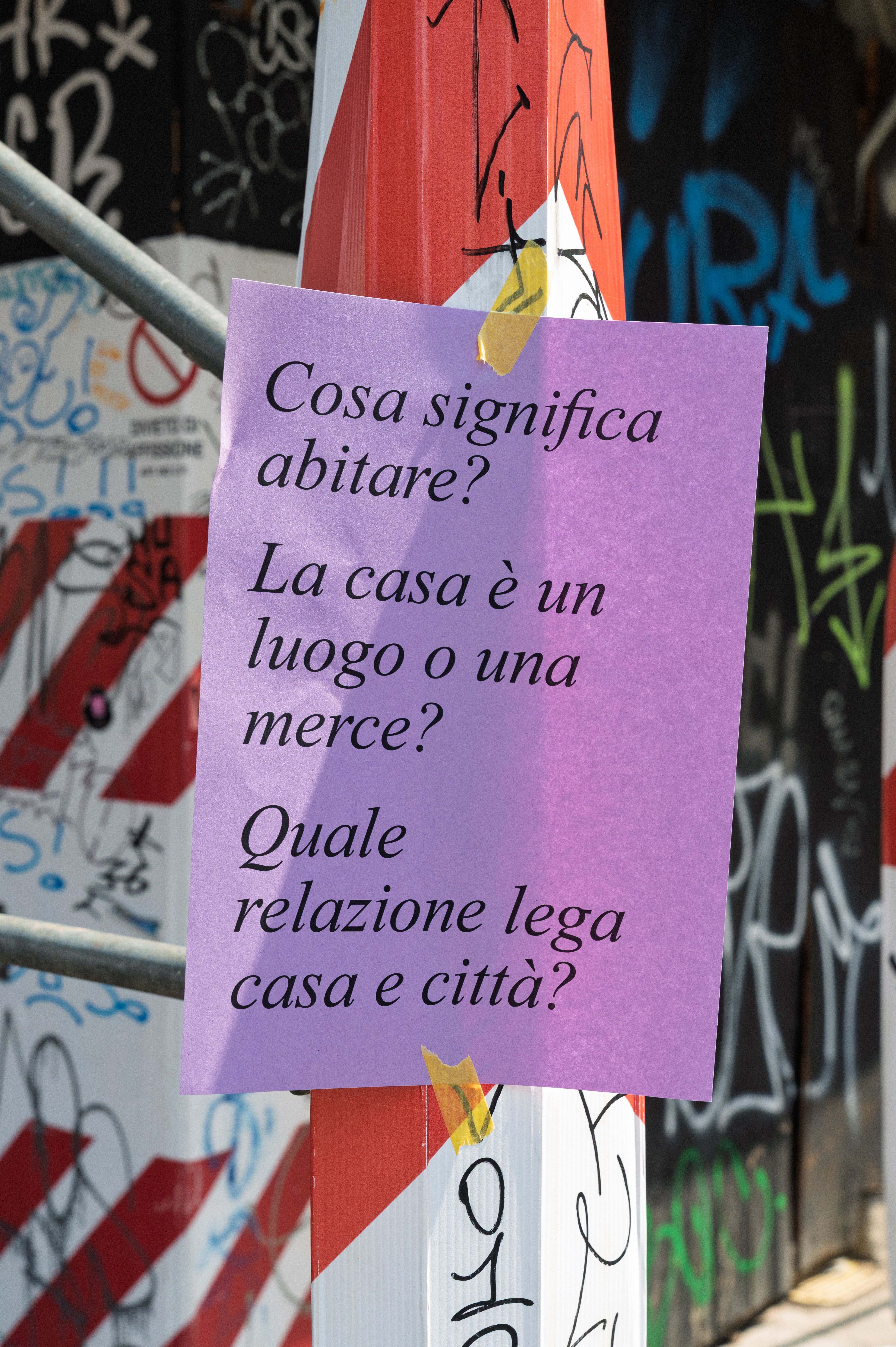
What does it mean to inhabit? Is a house a place to live or a commodity? What is the connection between houses and city? From these questions begins the research of the students of the Design Methodology course of the Master of Arts in Interior Design at IED_DesignXCommons.
RESEARCH
2026,
Milano
Milano
What does it mean to inhabit? Is a house a place to live or a commodity? What is the connection between houses and city? From these questions begins the research of the students of the Design Methodology course of the Master of Arts in Interior Design at IED_DesignXCommons.
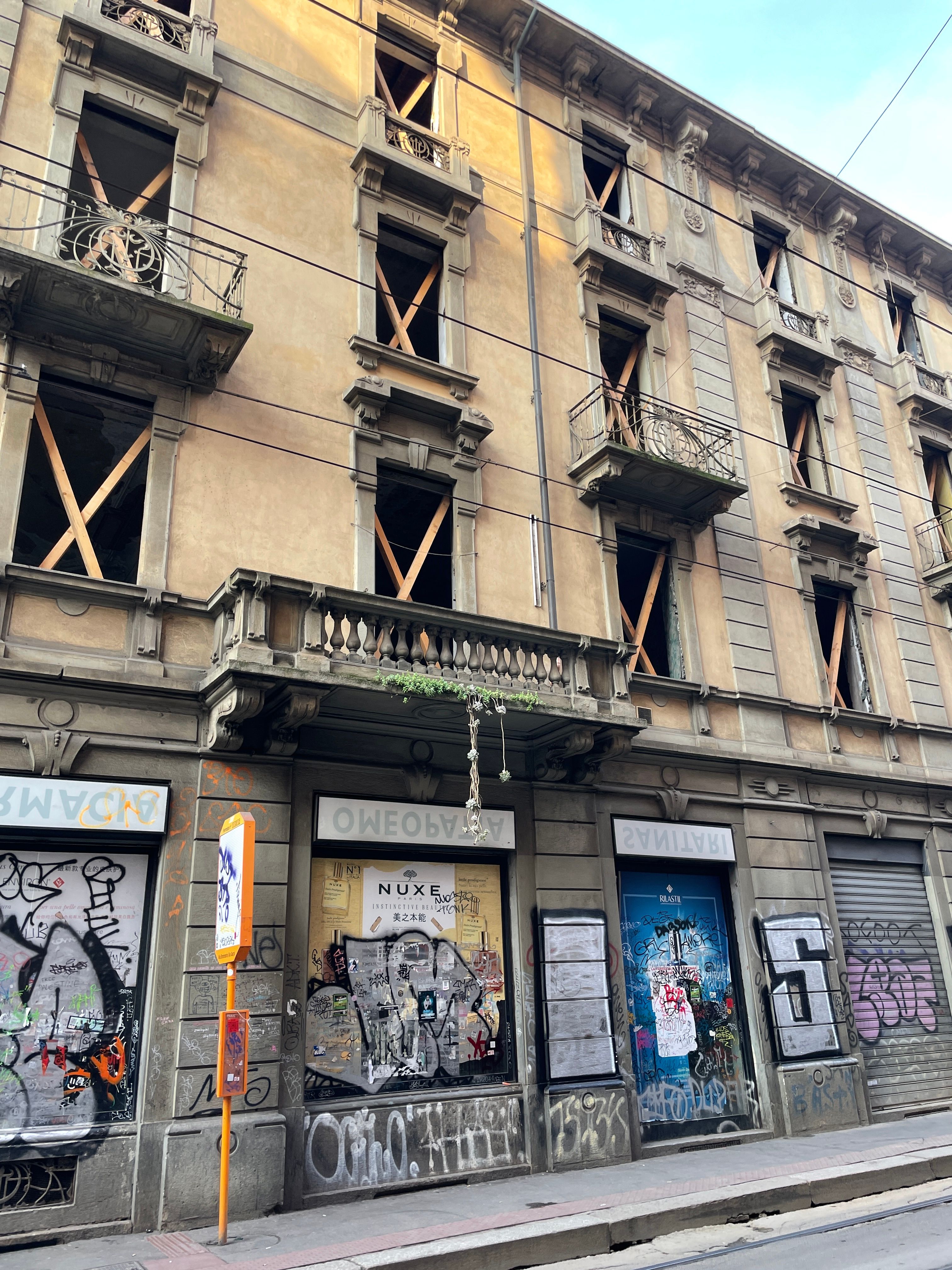
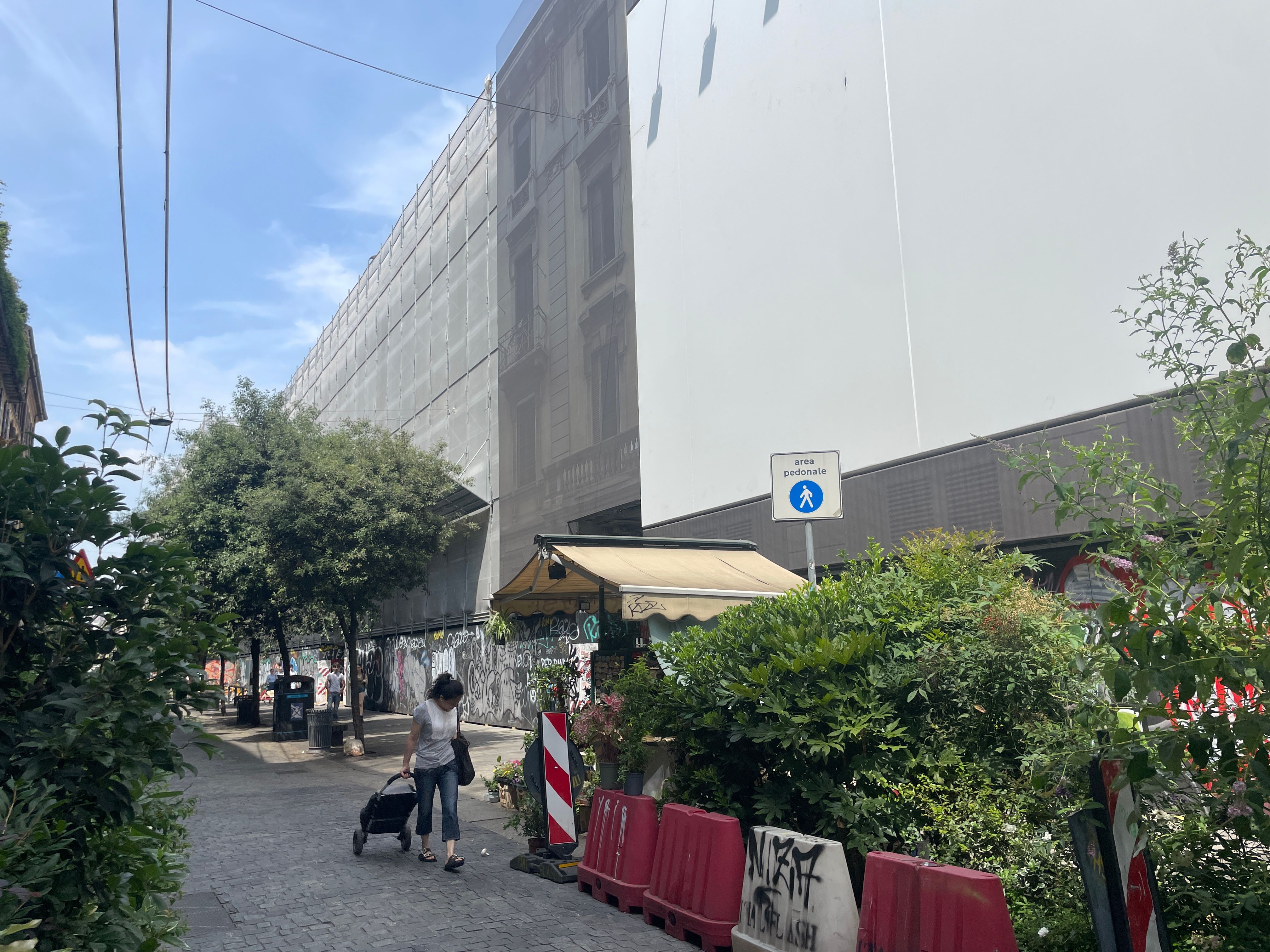
Walking through the streets of the Paolo Sarpi district in Milan, it is
impossible to ignore the traces of an intense process of gentrification that, over the past ten years, has profoundly transformed the ways in which public and private space are lived, perceived, and imagined. A symbol of this transformation is the ghost of the Sarpi-Bramante Block, the historic social housing complex owned by the Ospedale Maggiore, located between Via Sarpi, Via Niccolini, and Via Bramante, which for some years has stood in the neighborhood with its silent, wrapped façade. Sold in 2018 to a real estate fund for financing the builsing of a new hospital and intended for an immediate redevelopment project that included relocating its tenants to a distant suburban area, the Block instead sparked action among its historic residents, who, gathered in the Ca’ Sarpi Committee, defended their connection to that worn and beloved building, claiming the right to remain in their homes. From this mobilization, the residents not only obtained relocation within the neighborhood, where their roots remain firmly anchored to this day. They also left a profound mark, demonstrating that the home — with its rooms, its objects, and its stories — is not merely an asset at the mercy of the market, but the foundational place of our urban culture, an idea of the city worth fighting for.
02
Sarpi-Bramante Block, June 2026
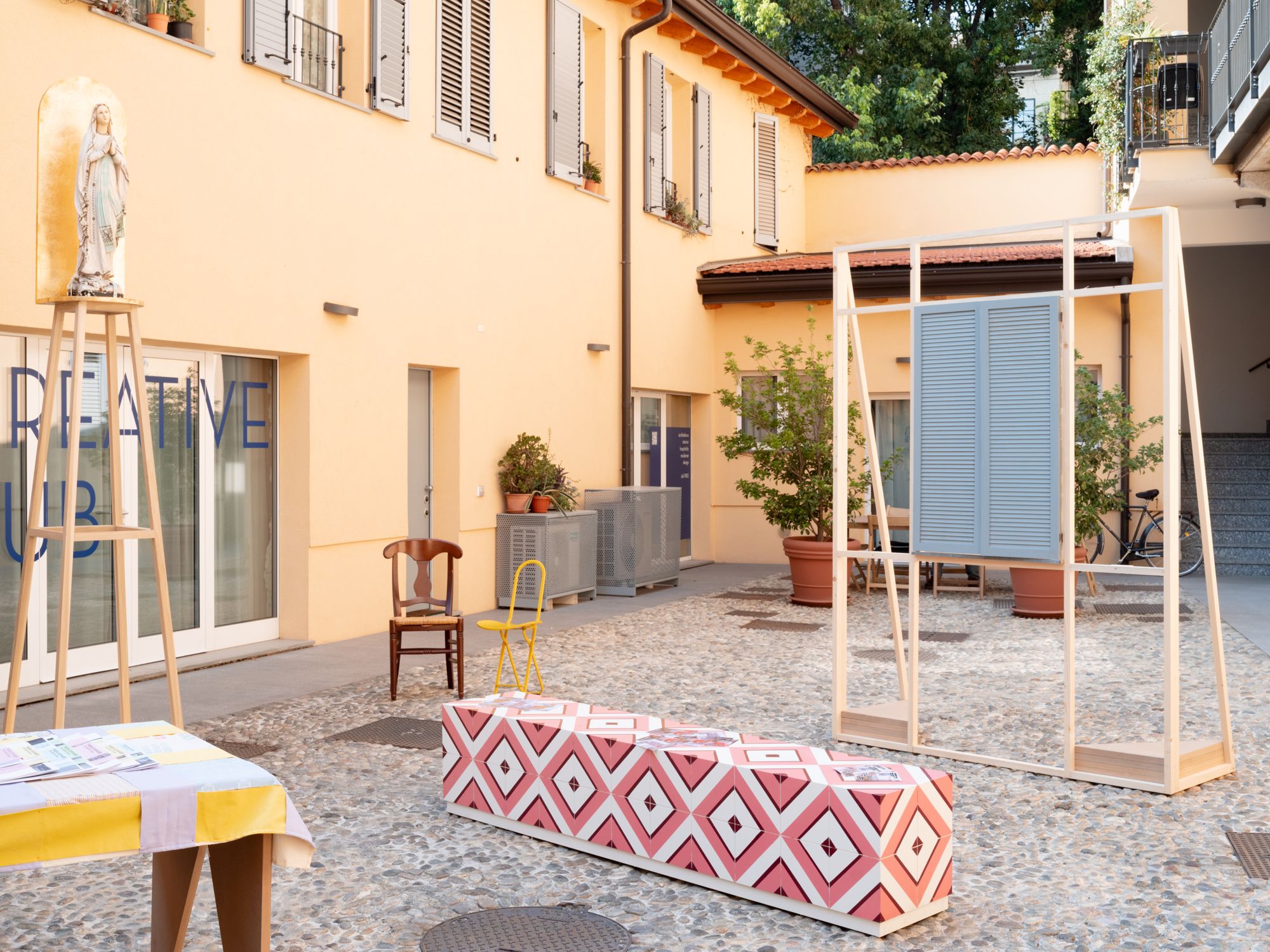
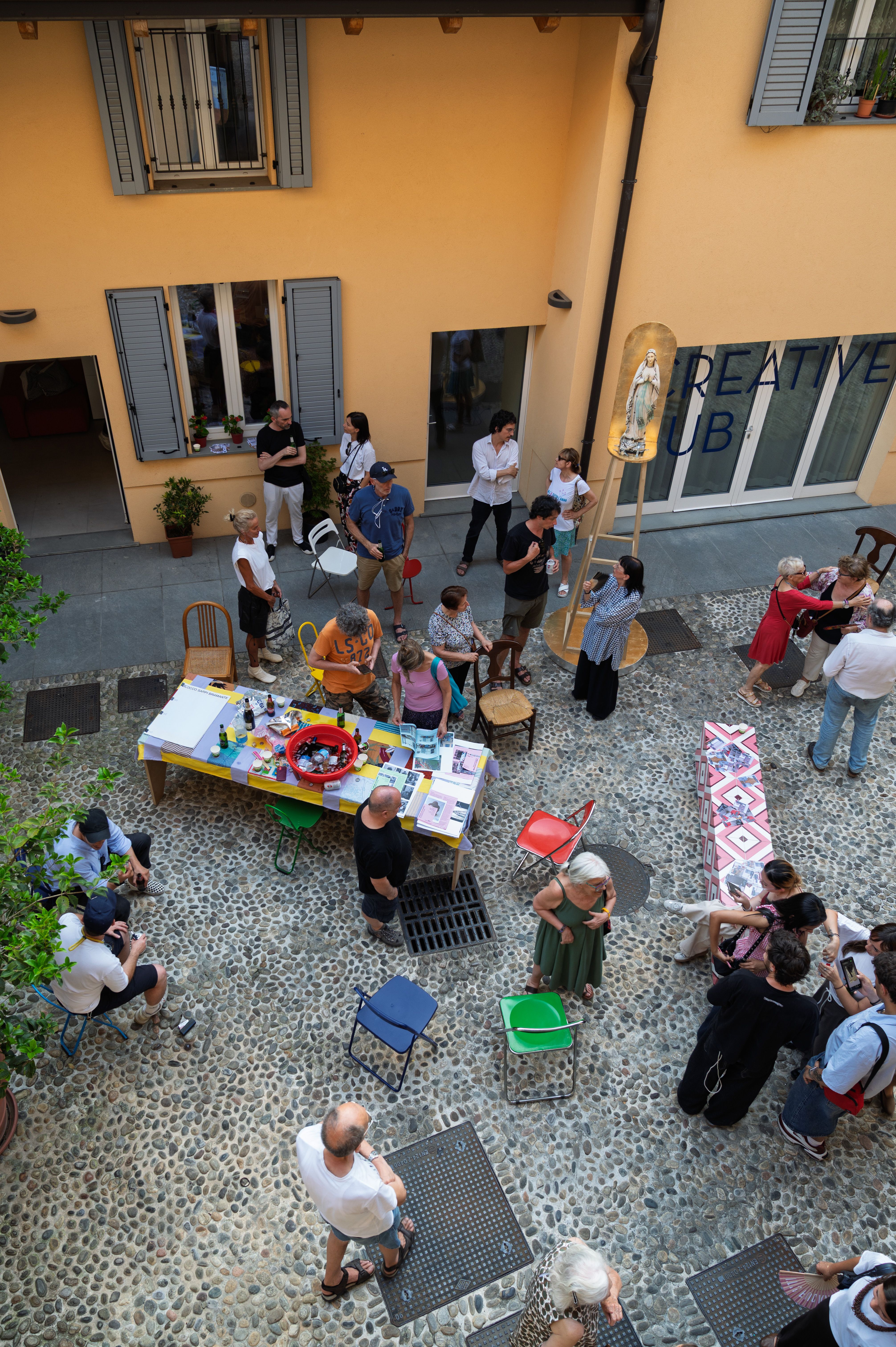
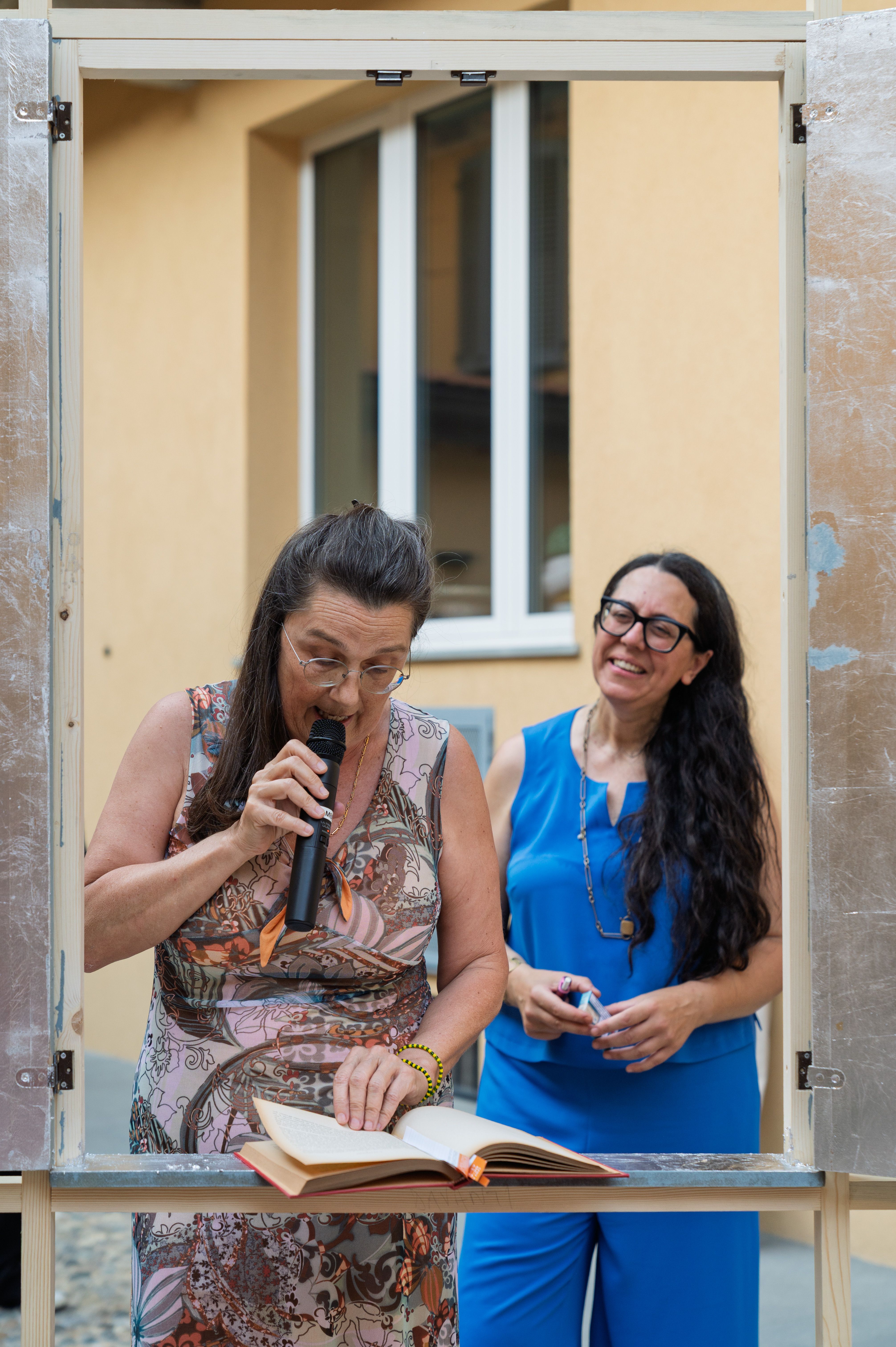
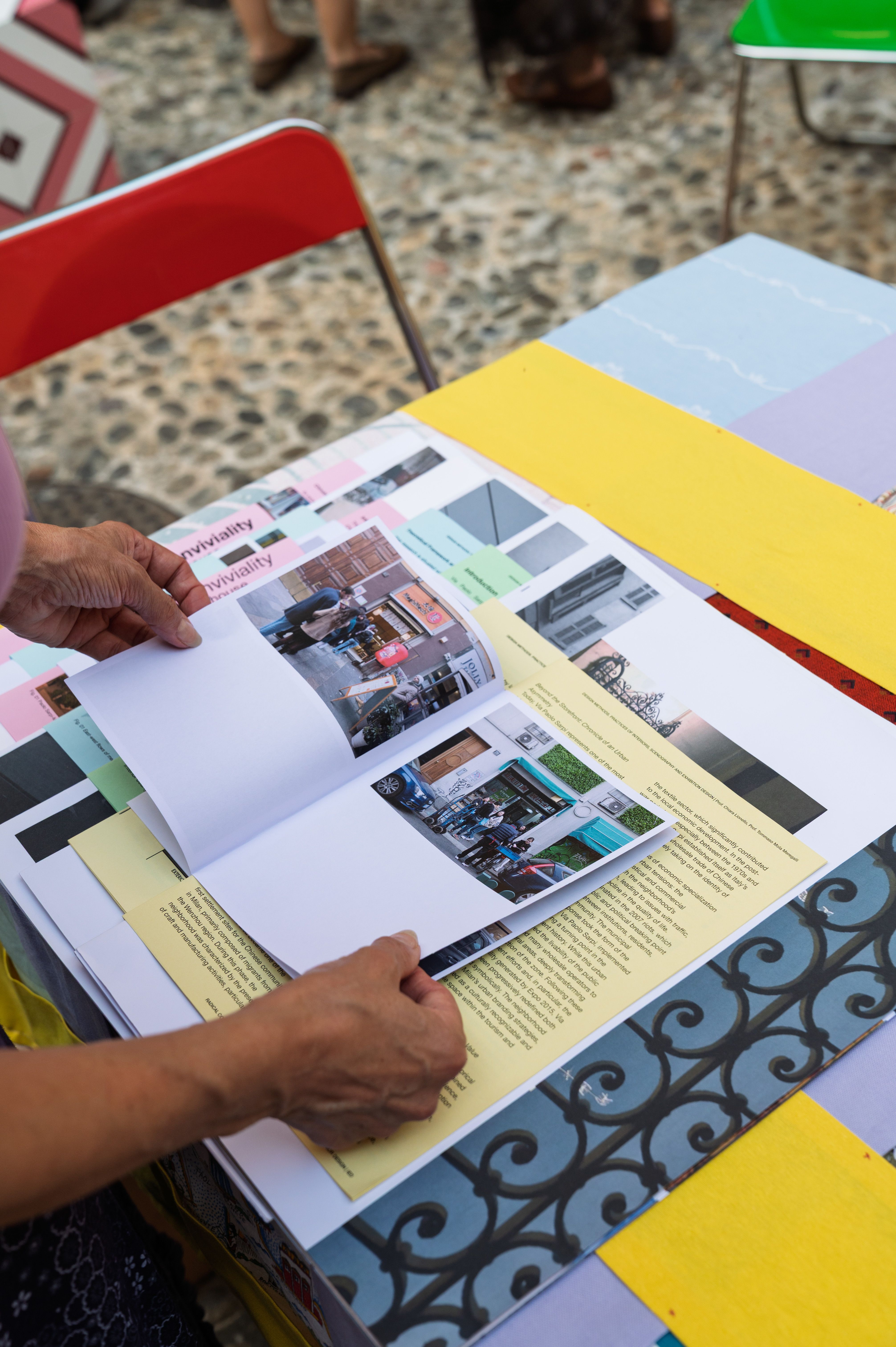
This incredible story of collaboration, resistance, and citizenship has inspired the students’ project, in which they are asked to question their role as designers within these complex processes. Through interviews, meetings, and site visits, the stories of those lost homes have been reconstructed into fifteen handmade paper models and a community installation that will bring some of the symbolic spaces of the Block back to life. Gathered in celebration beneath these fragments of a disappearing city, students, residents, professors, ordinary citizens, friends, and passersby will be able to celebrate and honor the value of inhabiting as a collective experience, and to envision a future city still made of lived-in homes.
03
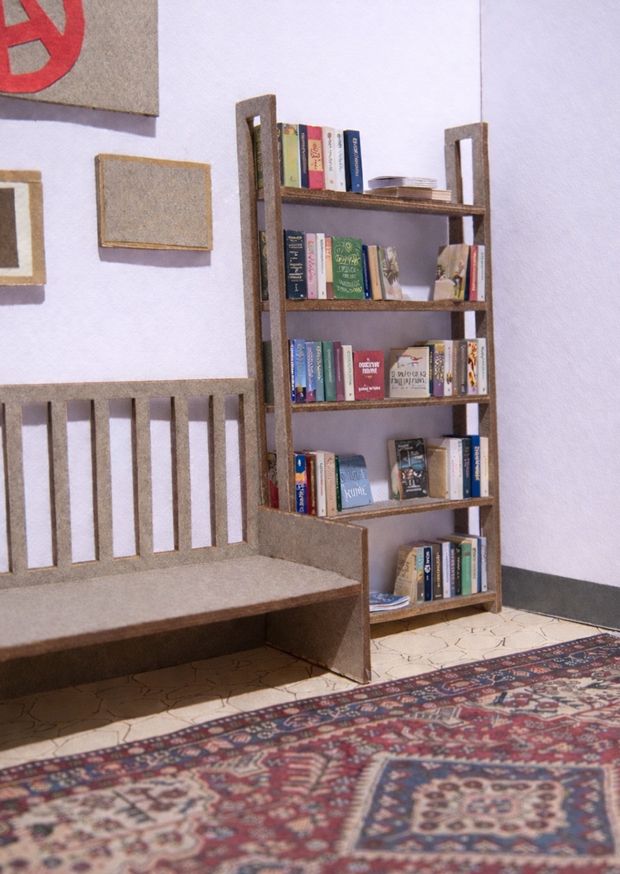
Pia's Sitting Room, Model by Lorenza Esposito
04
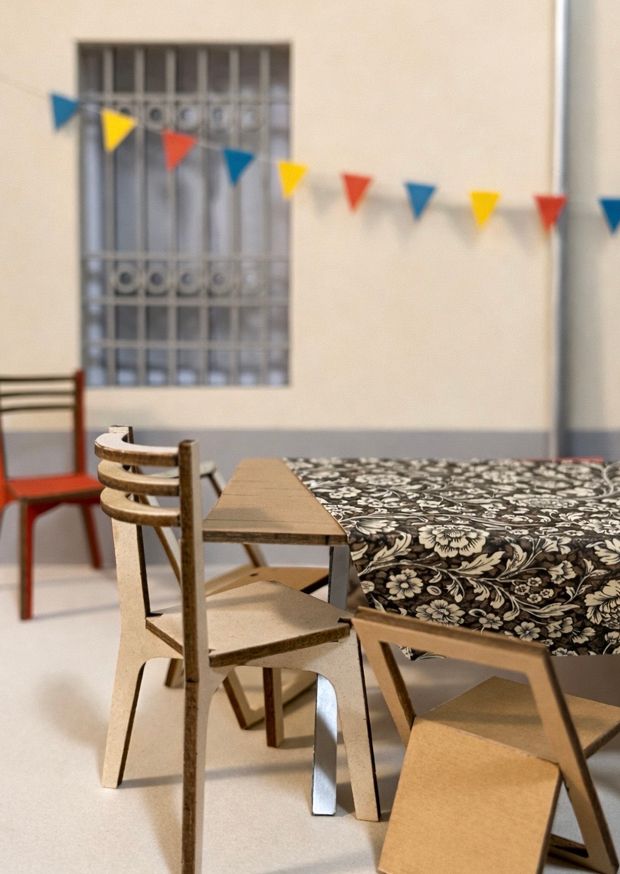
The common courtyard, Model by Cecilia Brondetta
05
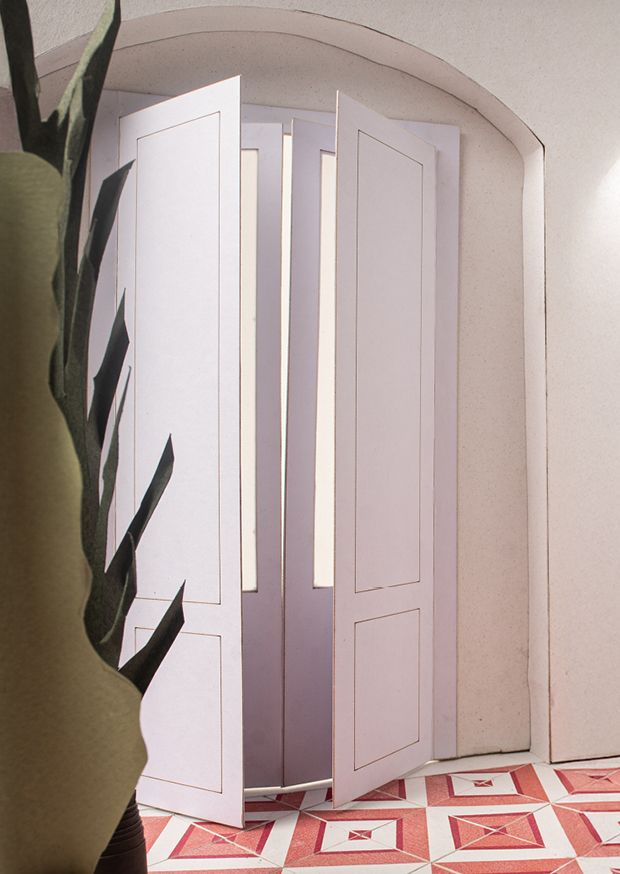
Cettina's Studio, Model by Gaia Magri
Radical Conviviality. The Phantom House
RESEARCH
2026
Milano
Milano
Photo Credits: Tommaso Mola Meregalli, Rebekka Fagnani
A project curated by: Defne Akin, Cecilia Brondetta, Davide Fabio Colaci, Lorenza Esposito, Veronica Galliani, Elena Hilbe, Defne Amber Kayan, Sahana Kolli, Chiara Lionello, Gaia Magri, Tommaso Mola Meregalli, Liliana Monno, Ahmet Berk Ozmutaf, Diego Pennesi, Omar Ramadam, Angela Rui, Marilena Suglia, Martina Vasile, Aija Xing.
With the collaboration of Comitato Ca’Sarpi
A special thanks to Fabio and Fabrizio Sangalli